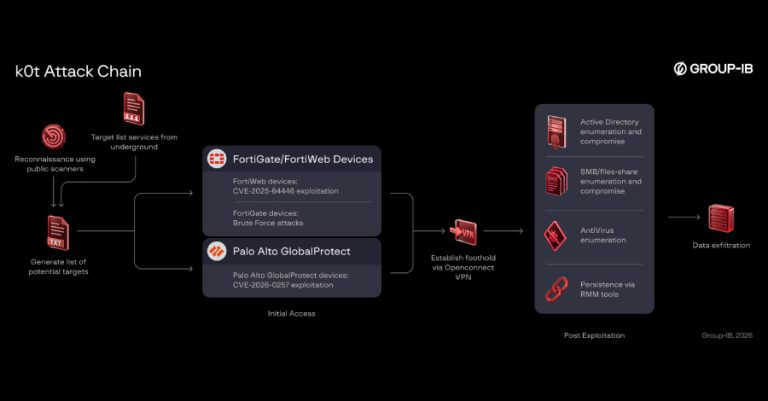
Cybersecurity threats continue to evolve, and one of the most concerning trends of 2025 is the rapid expansion of Ransomware-as-a-Service (RaaS). This model allows professional cybercriminals to create and sell ready-made ransomware kits to less sophisticated hackers, who then carry out the attacks. The profits are split between the developers and the users — creating a scalable, illegal business model that mimics legitimate software-as-a-service companies.
What makes RaaS especially dangerous is its accessibility. Gone are the days when launching a ransomware attack required advanced coding skills. Now, anyone with an internet connection, a little cryptocurrency, and malicious intent can buy into a subscription-based ransomware platform. These platforms often include customer support, detailed tutorials, forums, and even money-back guarantees, further fueling their appeal to aspiring criminals.
This low barrier to entry has led to a surge in ransomware incidents targeting organizations of all sizes — from hospitals and schools to small businesses and city governments. Victims are often forced to choose between paying a ransom to recover their data or facing costly downtime and reputational damage. Some attackers now employ double or even triple extortion tactics, threatening to leak sensitive data or launch follow-up attacks if demands are not met.
In recent months, multiple high-profile ransomware attacks have been traced back to RaaS groups. These groups often operate from regions with limited cybercrime enforcement, making it difficult for law enforcement to intervene or hold perpetrators accountable.
What You Can Do
First, regular offline backups are crucial. If your data is backed up and inaccessible to attackers, you’re in a much stronger position to recover. Next, keep software up to date to patch known vulnerabilities, as these are frequently exploited in ransomware attacks. Multi-factor authentication (MFA) can also prevent attackers from easily accessing systems, even if they gain login credentials. And perhaps most importantly, educate employees — many breaches start with a simple phishing email or malicious link.
Additionally, organizations should consider conducting regular cybersecurity risk assessments, investing in endpoint detection and response (EDR) solutions, and maintaining an incident response plan. Cyber insurance can also provide financial protection, but only if proper security protocols are in place.
As ransomware becomes more commoditized, proactive defense is no longer optional. Organizations must prioritize cybersecurity as a critical component of operational resilience — or risk becoming the next headline. Organizations that take cybersecurity seriously now will be better prepared to protect their systems, their data, and their reputations tomorrow.